Antennas are everywhere. There are tiny ones in every mobile phone and laptop, and in the hardware that helps them connect to wi-fi. They are in the security tags that prevent shoplifting in stores. They’re in medical devices that can detect cancerous tumours. And, of course, there are the big ones that capture signals from satellites in space.
Zahra Esmati has been fascinated by antennas ever since she studied telecommunications back in her home country of Iran. Now, she’s is an antenna engineer with Fleet Space Technologies. Here, she works on antennas for nanosatellites for Internet of Things (IoT) applications.
Fleet Space is also a part of the Seven Sisters program, an Australian lunar exploration mission supporting NASA’s Artemis program. The program is designed to learn more about the presence of water on the Moon, ahead of sending the first woman and next man to the lunar surface in 2024, and establishing a sustainable human presence there by the end of the decade.
“I remember it was so exciting when we were selected,” Zahra says. “We were like, oh, we’re going to the Moon!”
Zahra’s interest in antennas took her to several other research areas before she landed in the space industry. Her masters at Western Sydney University looked at the use of antennas in infrastructure health monitoring. Sensors are embedded in the concrete of large structures like bridges or buildings to monitor damage. However, the batteries in the sensors only last a few years. Zahra’s project explored using antennas to recharge the batteries wirelessly to keep the sensors running longer.
Zahra also worked as a research engineer at WSU for a number of years. She worked on a bionic voice project, an electronic prothesis to help people who have physically lost their voice. Her plan was to stay at WSU and complete a PhD in biomedical engineering. However, an exciting scholarship offer from the University of New South Wales proved too good to miss.
She packed up and moved to Canberra to start a different PhD – one that would bring her closer to a space career. This project looked at electrically small array antennas for high power microwave applications.
“I always thought I’d like to work in space,” Zahra says. “I knew it would be difficult, but I believe in never giving up and never letting the ups and downs of life stop me.”
Zahra moved again in 2020, relocating to Adelaide to work at Fleet Space. Next stop: the Moon.
“Communicating to and from space is a challenging endeavour. It looks easy in the movies. Astronauts on far off planets video chat with family on Earth with high quality and no delay. But does it match reality? Not really! I like the challenge and this is one of the reasons I love working in the space industry” she says.
- Zahra completed a Bachelor of Science (Telecommunications Engineering) in Iran in 2011.
- In 2015, Zahra started her postgraduate studies in Australia. She received a full scholarship to study the Master of Electrical Engineering (Honours) at Western Sydney University (WSU).
- From 2016 to 2018, Zahra also worked as a research engineer at WSU on a bionic voice project.
- Zahra had plans to stay at WSU and do a PhD in biomedical engineering. However, another scholarship offer saw her move to Canberra for a PhD in electrical engineering at the UNSW (ADFA) in 2017.
- In 2020, Zahra moved to Adelaide to work as an antenna engineer for Fleet Space Technologies.
- She is also the antenna engineer for the Seven Sisters mission.
Originally published by The Australian Space Agency.
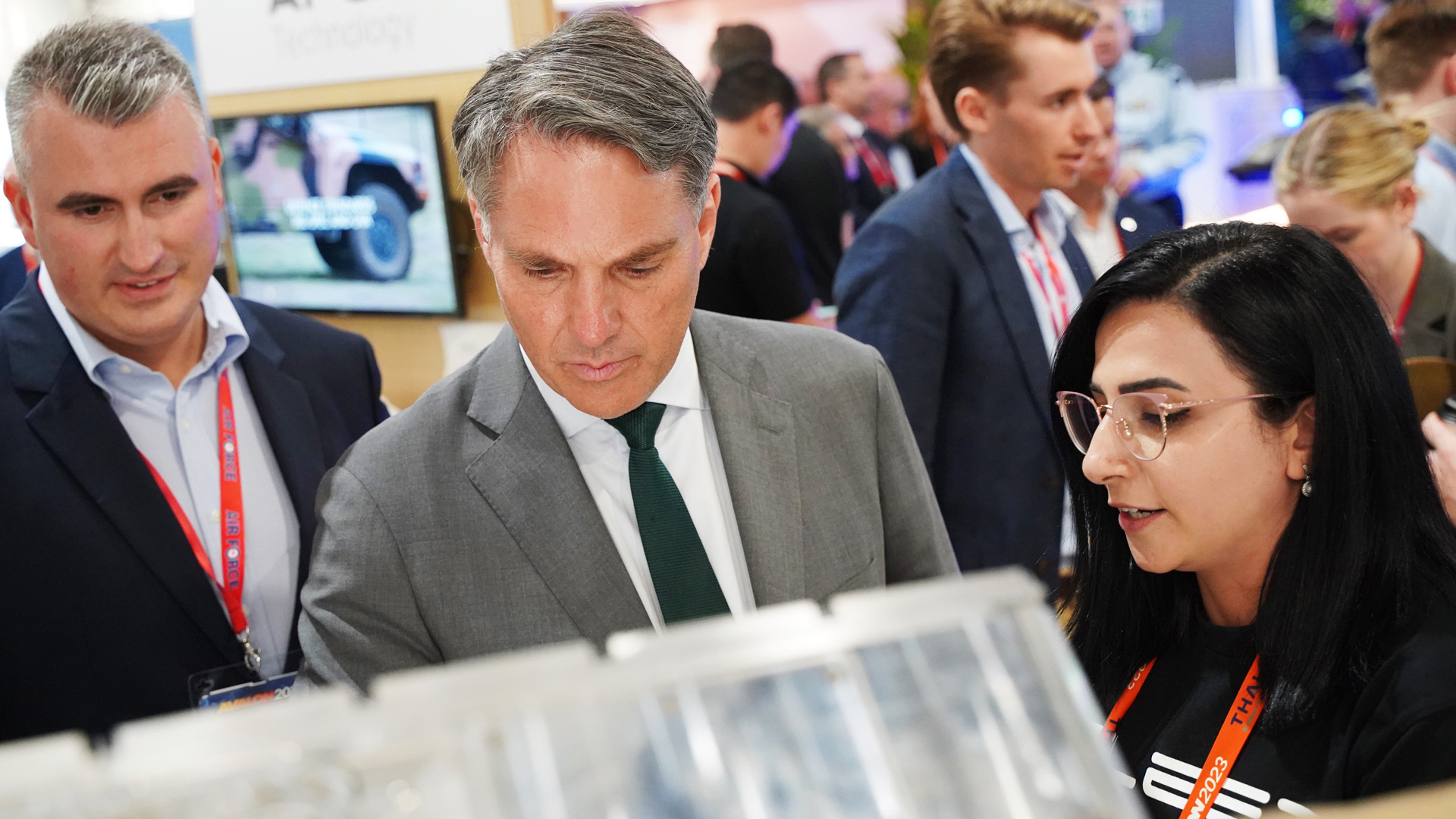
Image: Fleet CXO Matthew Pearson, Minister for Defence The Hon. Richard Marles and Zahra Esmati at the Avalon Airshow 2023.
Published 19 April 2023
Explore More
16th Sep 2026
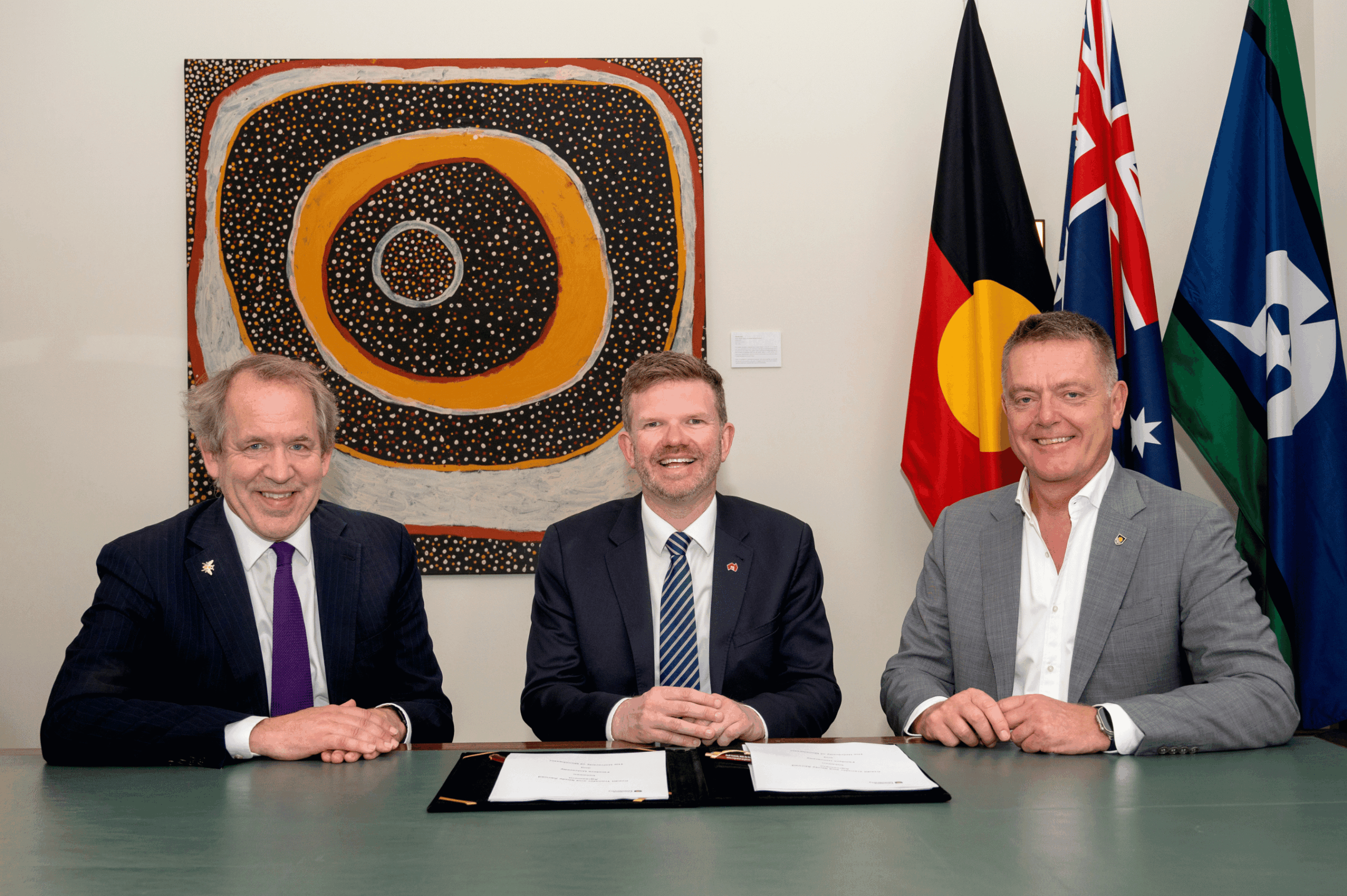
South Australians interested in a career supporting Australia's future nuclear-powered submarine program now have access to new specialist postgraduate courses designed to build the skills needed for one of the nation's most significant Defence projects. [...]
21st May 2026
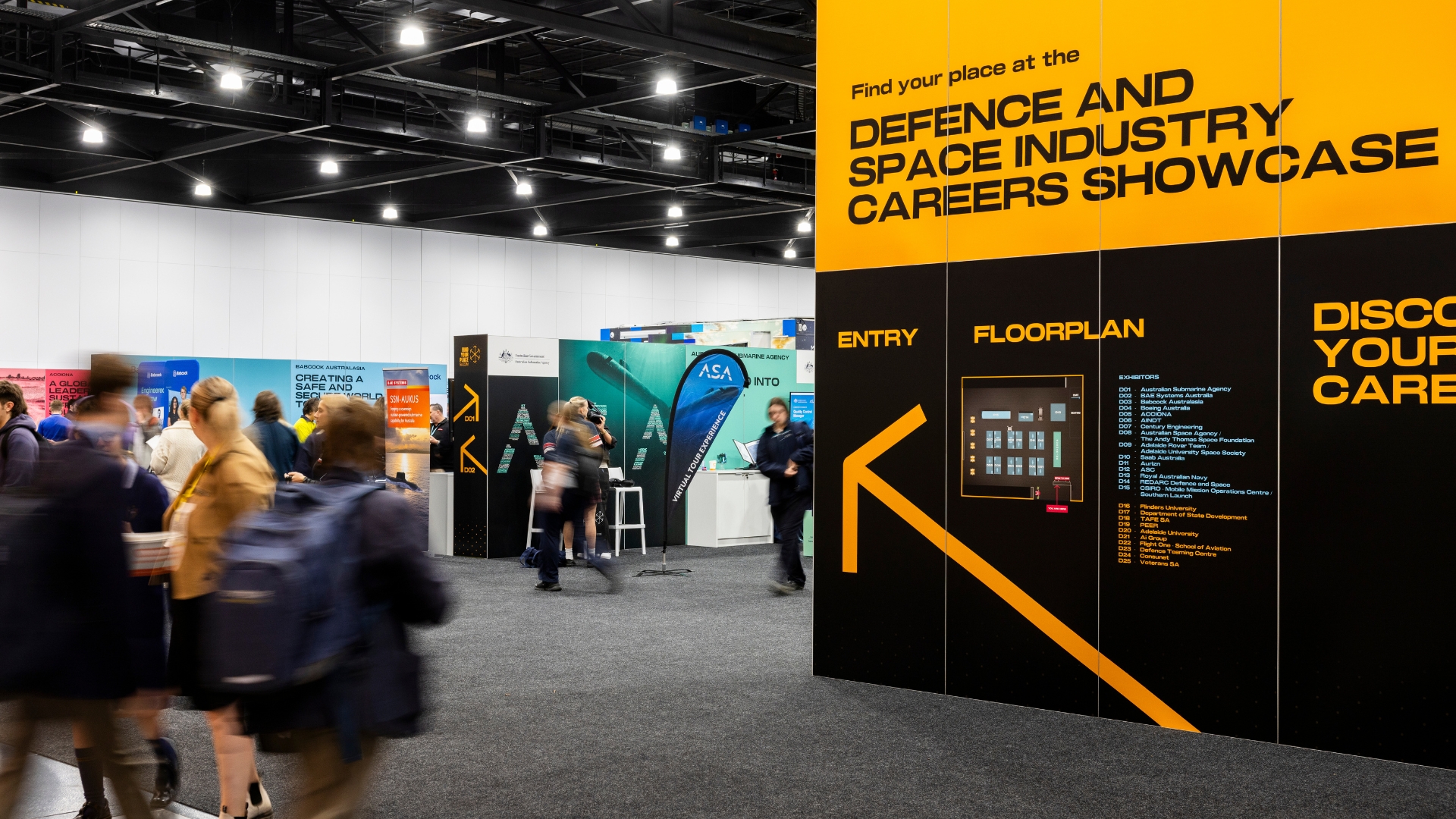
South Australia’s defence and space industries were front and centre at the Defence and Space Industry Careers Showcase, held as part of the 2026 Adelaide Careers & Employment Expo at the Showgrounds from 7-9 May. [...]
22nd Apr 2026
Across Australia, more than 800 university students have been selected as part of the inaugural cohort of the Propel Australian Submarine Scholarship program. This scholarship will help build the skilled workforce needed to support Australia’s [...]
17th Apr 2026
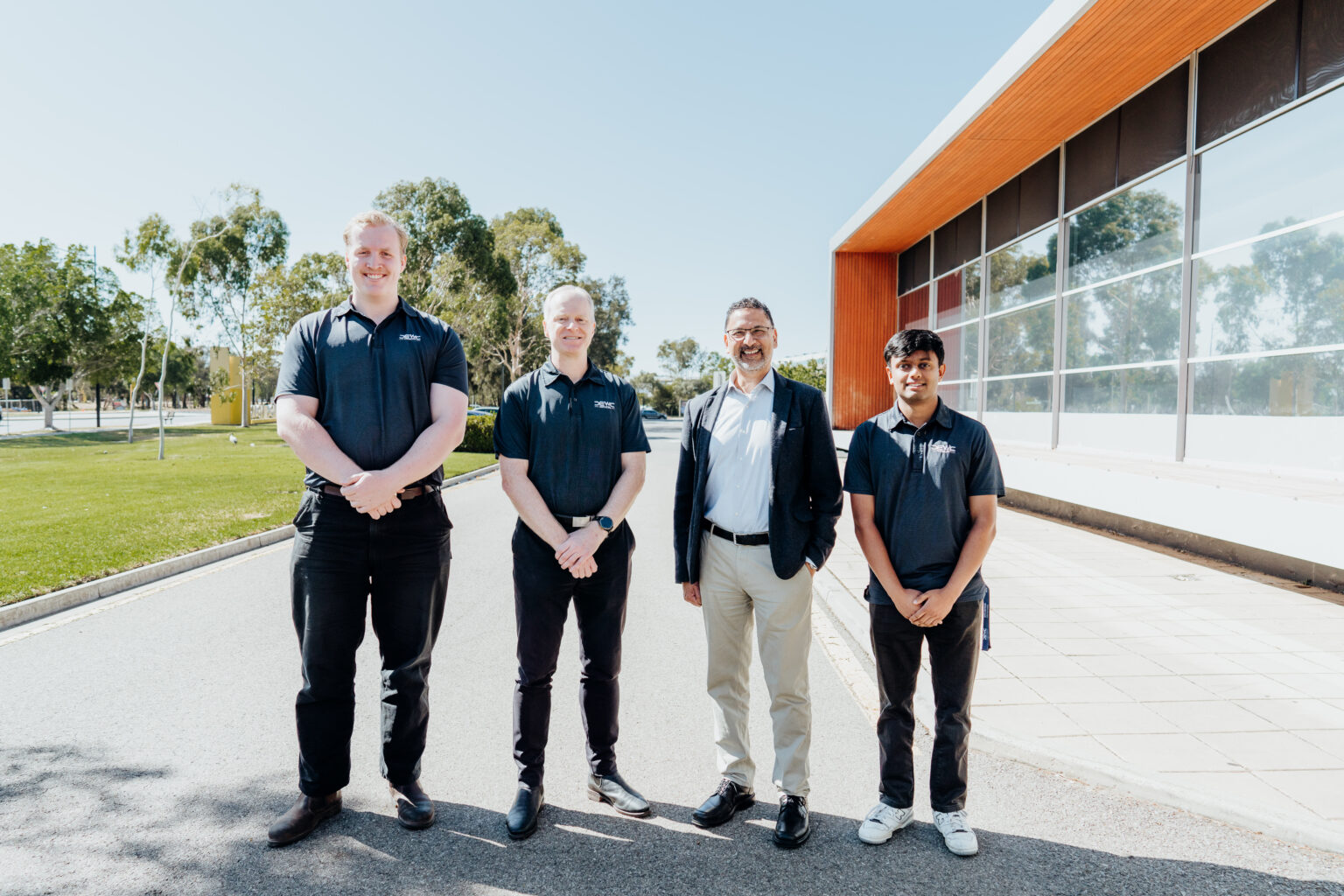
**Republished from its original publication on Defence Trailblazer** -- Two graduates from Adelaide University are now building careers in South Australia’s defence industry after completing internships at DEWC Services. Supported by co-funding from Defence Trailblazer’s [...]